


What Is a URL Shortener?
URL shorteners turn long web addresses into concise shareable links while providing valuable tracking data. Learn more about them in this article.
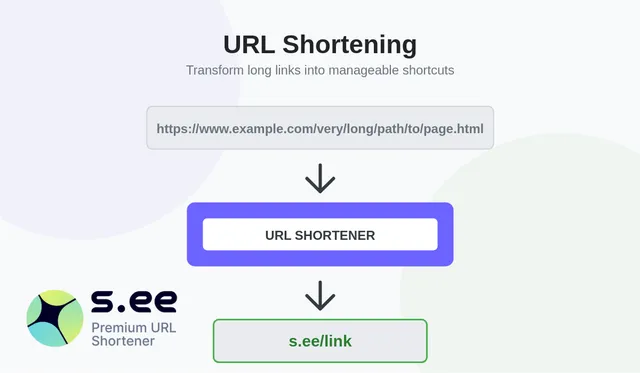
A URL shortener is a tool that takes a long web address and turns it into a much shorter one. It makes links easier to share, remember, and manage, especially on social media or in messages. Instead of a long string of characters, users get a compact link that redirects to the original webpage.
Think of it as the digital equivalent of condensing a lengthy paragraph into a punchy headline - all the important information remains intact, but in a more manageable package.
How do URL Shorteners actually work?
The process is surprisingly straightforward. URL shorteners use a database to match short links with their original long URLs. When someone creates a short link, the tool generates a unique code.
That code is added to a base web address, forming the short link. When a user clicks this link, the service looks up the code in its database, finds the full URL, and sends the user there.
This redirection happens almost instantly, creating a seamless experience for anyone clicking on the shortened link.
Why use a URL shortener?
1. They make sharing links infinitely easier
Long web addresses can be hard to copy and share, especially on devices with small screens. URL shorteners create compact links that fit easily in emails, messages, or social media posts.
Shorter links also reduce the chance of errors when typing or copying a URL. This is helpful for printed materials or verbal sharing where accuracy matters.
2. They look much more professional
Nobody wants to see a jumbled mess of characters in your marketing materials. A long or complex URL can look messy or unprofessional in articles, emails, or social media posts. Shortened URLs provide a cleaner, more polished look.
Using short links keeps posts neat and helps maintain the reader's focus. It avoids distracting the reader with long strings of letters and numbers.
3. They provide valuable tracking data
Many URL shorteners include tracking features. They show how many people clicked the link, when, and from where.
This data helps marketers and content creators understand the success of their campaigns. They can see which links work best and adjust strategies accordingly.
Some services offer detailed reports, including devices used or the geographic location of users, giving deeper insight into audience behavior.
When should you use URL shorteners?
Social media campaigns
In social media, space is limited, and message clarity is vital. URL shorteners help by turning long, complex URLs into simple, neat links that fit well in posts and tweets. This keeps posts clean and readable.
They also allow marketers to track clicks and engagement. Many shorteners provide analytics, showing how many people clicked a link and where those clicks came from. This data helps improve future campaigns.
Shortened links can be branded, making them recognizable and boosting trust. Custom short links match the campaign or business, helping users feel confident about clicking.
Email marketing
Emails often include many links. Long URLs take up space and can look suspicious or cluttered. Shortened URLs make emails look cleaner and more professional.
Using shortened URLs helps track which links get the most clicks. Marketers can see how recipients interact with each email. This information supports better targeting and content improvements.
Short URLs also reduce the chance of links breaking due to line wrapping in some email apps, ensuring the links work properly when clicked.
QR codes
URL shorteners are commonly used to create QR codes. Short URLs generate simpler QR codes, which are easier to scan and less dense.
This is important for printed materials like posters, flyers, or product packaging. A clean QR code increases scanning success and user convenience.
Shortened URLs in QR codes also enable tracking of how many times a QR code is scanned. This helps analyze campaign performance or product interest at specific locations or events.
Potential risks and how to avoid them
Link expiration concerns
Many URL shorteners set expiration dates on links. After this date, the link stops working, leaving users unable to access the original webpage.
This can be a problem for content that needs to stay accessible long-term, such as business pages or important documents. Some services allow permanent links, but often only with paid plans.
It is important to check the expiration policy before sharing shortened URLs widely. Otherwise, the link may expire without warning, causing confusion and lost traffic.
Security considerations
Shortened links hide the original website address, making it harder to know where the link leads. This feature can be abused by scammers.
Bad actors use URL shorteners to disguise links to phishing sites or malware downloads. Users clicking these links risk exposing their devices or personal information to harm.
Security tools may flag or block suspicious shortened URLs, but they're not foolproof.
Service reliability
URL shortener services rely on their servers to redirect shortened URLs to the original addresses. If the service is down, the links do not work.
Outages can be short or last several hours. This interrupts access to the destination web pages for anyone using those short links.
If a URL shortening company shuts down permanently, all its links become unusable. Users should consider this risk, especially for links intended for long-term use.
Choosing the right URL shortener for your needs
Not all URL shorteners are created equal. When selecting a service, consider these factors:
Reliability and uptime
Look for a service with a proven track record of minimal downtime. Read reviews and check their service status history before committing, especially if you'll be using shortened links for critical business purposes.
Security features
Security is critical when using URL shorteners. Users should avoid shortening links with sensitive information like passwords or personal data.
Check if the service uses HTTPS to encrypt link redirection. This protects users from interception or tampering during navigation.
Enable features like password protection or access limits if the provider supports them. These controls prevent unauthorized users from accessing the shortened link.
Analytics capabilities
The best URL shorteners don't just shorten links—they provide insights. Look for services that offer comprehensive analytics about who's clicking your links, when, and from where. This data is invaluable for measuring campaign success and optimizing your strategy.
Custom branding options
In branding, shorteners can use a custom domain name, reinforcing a company's identity while making links more trustworthy and easy to recognize. This feature helps maintain consistent branding across all your digital touchpoints.
Take your link management to the next level with S.EE
S.EE offers more than just URL shortening—it's a complete link management platform that helps you streamline your online presence. With features like detailed analytics, custom branding, and seamless integration with your marketing tools, S.EE gives you everything you need to create, manage, and track your links effectively.
Our platform also includes additional tools like pastebin functionality, image hosting, file storage, surveys, audience segmentation, and advanced click tracking to provide a comprehensive solution for all your digital marketing needs.
Ready to transform your link management strategy? Start today.
Conclusion
URL shorteners have evolved far beyond their original purpose of simply making links more manageable. Today, they're powerful marketing tools that provide valuable insights, enhance user experience, and strengthen brand identity.
By implementing URL shorteners in your digital strategy, you're not just saving characters—you're gaining a competitive edge through better analytics, improved user experience, and more professional branding.
Whether you're running social media campaigns, sending marketing emails, or creating QR codes for print materials, the right URL shortener can impact your marketing effectiveness. With tools like S.EE, you can transform how you manage, share, and track links across all your digital channels.
Frequently asked questions about URL shorteners
Are URL shorteners safe to use?
Most reputable URL shorteners are safe to use. However, because shortened links hide the destination URL, they can sometimes be used for phishing attempts. To stay safe, use trusted URL shortening services, be cautious about clicking shortened links from unknown sources, and consider services that offer preview options so users can see where a link leads before clicking.
Do shortened links ever expire?
This depends on the service. Some free URL shorteners may set expiration dates on links, while paid services typically offer permanent links. Always check the provider's policy on link expiration before using it for important or long-term content.
Can I customize my shortened URLs?
Yes, many URL shorteners allow you to customize the end portion of your shortened links. Some premium services even let you use your own domain name for branded links, which can increase trust and recognition.
Will URL shorteners affect my SEO?
When implemented correctly, URL shorteners shouldn't negatively impact your SEO. Look for shorteners that use 301 redirects (permanent redirects) rather than 302 redirects (temporary redirects), as these pass along more SEO value. However, for critical SEO-focused content, you might want to use the original URL to ensure full SEO benefit.
Can I track who clicks on my shortened links?
Most URL shorteners provide some level of analytics. Basic services typically track click counts, while more advanced platforms offer detailed information about geographic location, devices used, time of clicks, and even demographic data. This tracking capability is one of the main benefits of using URL shorteners beyond just having cleaner links.
Are there any limitations to how many links I can shorten?
Free URL shortening services often have daily or monthly limits on how many links you can create. Premium or paid services typically offer higher or unlimited link creation. If you need to shorten large numbers of links regularly, a paid service is usually the better option.
Can I change the destination of a shortened URL after creating it?
Many URL shorteners allow you to edit the destination URL without changing the shortened link itself. This feature is particularly useful for updating outdated content or fixing errors without having to create and distribute a new link.


